
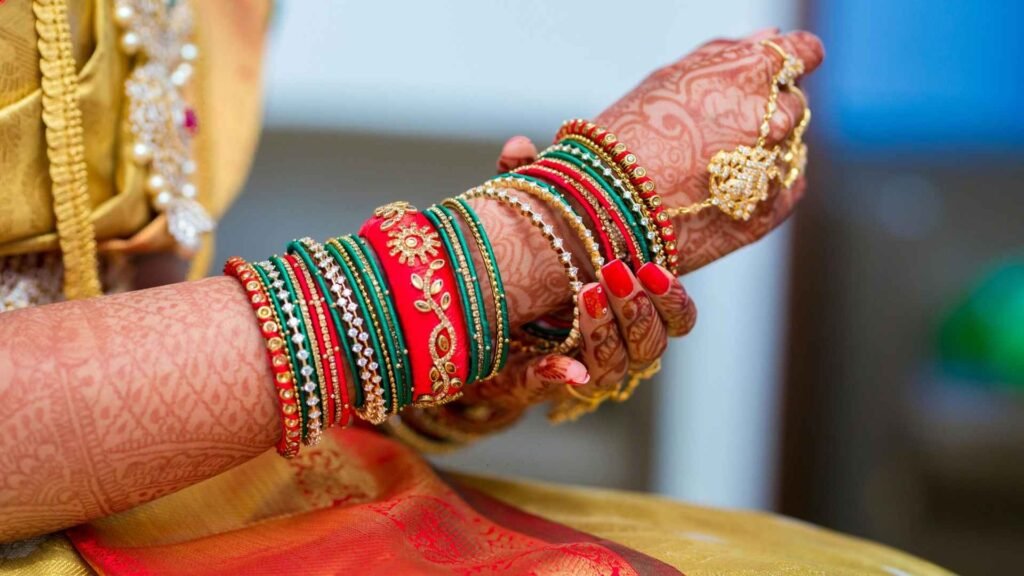
Bangles—locally known as churi—are more than just decorative accessories in South Asia. They are deeply rooted in tradition, culture, and identity. In Bangladesh, the traditional churi holds special significance, connecting generations through beauty, symbolism, and craftsmanship. These graceful ornaments are often seen adorning the wrists of women from all walks of life—from brides on their wedding day to young girls celebrating Eid.
This article explores the rich history of bangles, their evolution across centuries, and the cultural importance of the Bangladeshi churi, a timeless symbol of heritage and tradition.
Origins and Early History of Bangles
The history of bangles stretches back thousands of years. The word bangle is derived from the Hindi word baangri or bangri, which means a ring-shaped ornament. Archaeological findings suggest that bangles were worn as early as 2600 BCE in the Indus Valley Civilization. Excavations at Mohenjo-Daro revealed a statue of a dancing girl wearing a stack of bangles on her arm—one of the earliest known depictions of these ornaments.
Early bangles were made from materials such as terracotta, copper, bronze, seashells, and even ivory. These bangles were not just for adornment; they held deep cultural and spiritual significance. In many cases, they were considered to bring good luck, protect against evil, and symbolize prosperity and marital happiness.
Cultural Significance of Bangles in South Asia
In South Asian cultures, bangles are more than fashion accessories—they’re symbols of tradition and social customs. Each color, material, and design often holds specific meanings:
-
Marriage and Womanhood: Traditionally, married women wear bangles as a sign of their marital status. In many parts of South Asia, it is considered inauspicious for a married woman to have bare wrists.
-
Festivals and Rituals: Bangles are a staple during religious and cultural celebrations such as Eid, Durga Puja, and weddings.
-
Color Symbolism: Different colors convey different meanings—red symbolizes energy and fertility, green represents good fortune and new beginnings, and yellow is linked to happiness and health.
Bangles also serve as important social markers. In many rural areas, the type of bangles a woman wears can indicate her marital status, age, or even social class.
Bangladeshi Churi: A Timeless Tradition
In Bangladesh, the bangle transforms into a deeply cultural ornament known as the churi. The traditional churi is an integral part of a woman’s attire and identity. Whether worn casually or on special occasions, Bangladeshi churi represents tradition, femininity, and elegance.
Types of Bangladeshi Churi:
-
Glass Churi: These are the most iconic and vibrant. Available in a wide range of colors and often embellished with glitter or patterns, they are especially popular during Eid, Pohela Boishakh, and weddings.
-
Gold and Silver Churi: Common in bridal wear and formal events. These are typically passed down through generations and hold emotional as well as financial value.
-
Plastic and Metal Churi: Durable and suited for everyday wear, these have become popular for their practicality and low cost.
The famous churi bazaars in cities like Dhaka, Chittagong, Rajshahi, and Sylhet come alive before major festivals. Here, skilled artisans and shopkeepers offer thousands of designs, showcasing the incredible variety and craftsmanship involved in making churis.
Churi in Bangladeshi Culture
In Bangladeshi society, churis are more than accessories—they are cultural artifacts that carry emotional and social value:
-
Eid Celebrations: No Eid outfit is complete without matching churis. Young girls and women line up in markets to pick sets that complement their dresses.
-
Weddings: Bangladeshi brides traditionally wear red and gold churis alongside their wedding sarees or lehengas, often combined with henna and alta (red dye applied to hands and feet).
-
Symbol of Love and Friendship: Gifting churis is a common gesture of affection, especially among close friends and family.
The phrase “churi o alta” evokes nostalgia for many Bangladeshis, symbolizing grace, beauty, and cherished traditions that transcend generations.
Modern Trends and Global Reach
In recent years, Bangladeshi churi has evolved to meet the tastes of a new generation. While the traditional churi remains beloved, modern styles have emerged:
-
Fusion Designs: Modern churis often blend traditional patterns with contemporary aesthetics—combining glass with metal, or classic motifs with minimalist designs.
-
Custom Bangles: Personalized bangles with names, initials, or dates are gaining popularity, especially among younger wearers.
-
Global Market: With the rise of online shopping, traditional Bangladeshi churis are now exported to diaspora communities worldwide. Countries like the UK, USA, and Canada have growing markets for Bangladeshi accessories.
These developments ensure that while the traditional churi stays rooted in heritage, it remains relevant in the global fashion scene.
Conclusion
The history of bangles is a story of beauty, tradition, and resilience. From the ancient cities of the Indus Valley to the bustling churi markets of modern Bangladesh, these ornaments have stood the test of time. The Bangladeshi churi, in particular, is not just jewelry—it is a symbol of culture, identity, and emotional connection.
As styles evolve and trends shift, the charm of the traditional churi remains timeless—celebrated in homes, markets, and memories across generations.